Blog

December 17, 2025

Published by Admin

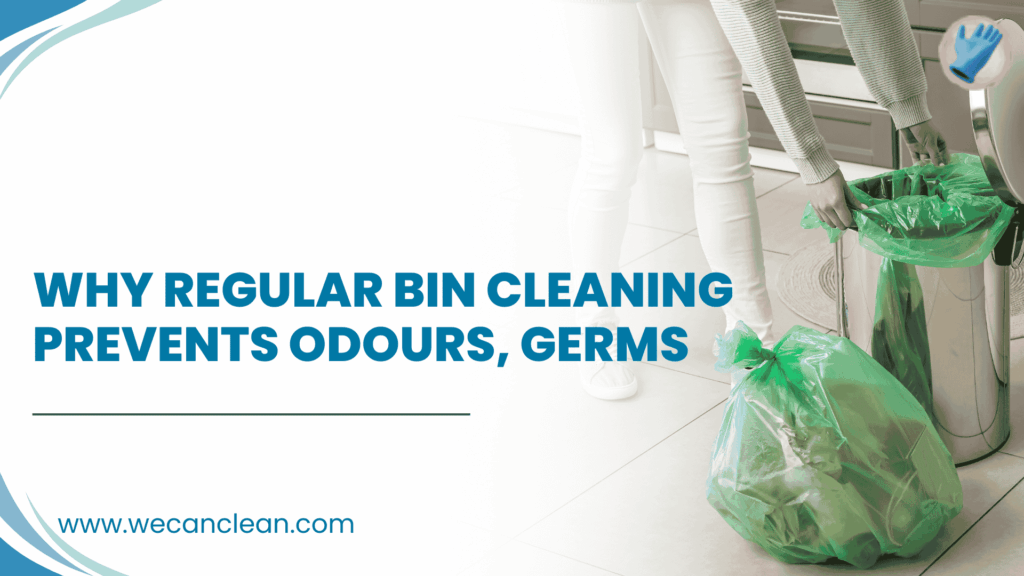
Why Regular Bin Cleaning Prevents Odours, Germs, and Pest Problems
Clean, sanitized garbage bins after regular bin cleaning to prevent odors, pests, and bacteria buildup
Let’s be honest. There is nothing glamorous about cleaning bins. Most people ignore them until they smell so bad they practically walk themselves out to the street. But bin hygiene is one of the quickest ways to prevent odours, germs, and pest issues in homes, offices, rental properties, and Airbnbs.
A dirty bin is not just unpleasant. It can actually create health problems and attract pests faster than you think.
Catchphrase: Clean bins create clean living.
The Dirty Truth About Bins
What Actually Happens Inside a Bin
Every time rubbish goes in, bits of liquid, food, and bacteria stay behind. Even if you use liners, residue still seeps through, sticks to the edges, and builds up over time.
Why Odours Build Up Faster Than Expected
Trash decomposes quickly, especially in warm Australian weather. Once bacteria start breaking things down, odours get stronger and spread faster. What starts as a mild whiff quickly becomes a full blown smell that lingers.
The Health Risks Most People Ignore
Studies show that the average household bin can carry more bacteria than a toilet seat. That means every time a bin is opened or a bag leaks, germs have the chance to move into your living or working spaces.
Catchphrase: Your bin might be dirtier than you think.
Case Study: A Landlord’s Bin Problem Fixed
Meet Sarah, a Busy Sydney Landlord
Sarah manages three rental properties across Sydney. Great tenants, minimal issues, and stable income. There was only one recurring complaint. The bins always smelled bad and attracted flies.
The Problem
Tenants kept reporting:
- 🗑️ Smelly bins in the shared bin area.
- 🪰 Flies swarming around the bin zone.
- 🐀 Pests nibbling through rubbish bags.
It became a weekly headache that made the properties feel less appealing and less hygienic.
The Solution
Sarah hired a professional cleaning team to clean her bins every two weeks. They sanitised, deodorised, and pressure cleaned each bin properly, inside and out.
The Transformation
Within a month, everything changed:
- ✅ No more strong bin odours.
- ✅ No more fly swarms around the area.
- ✅ No more torn or chewed rubbish bags.
- ✅ Tenants finally happy with the shared bin space.
Sarah said, “I wish I had done this sooner. It solved a problem I did not realise was so simple.”
Catchphrase: The smallest clean can make the biggest difference.
Why Professional Bin Cleaning Works Better Than DIY
Industrial Grade Cleaning Products
Professional cleaners use disinfectants strong enough to break down tough odours, kill bacteria, and dissolve built up residue that standard household products often leave behind.
Hot Water Pressure Systems
High pressure hot water systems reach deep into corners, grooves, and textured bin surfaces. Most smell causing bacteria and pests cannot survive these conditions.
Expert Disinfection
Professionals sanitise every nook and corner, including bin lids, handles, hinges, and rims. They clean more than what you can see, which is where most of the germs hide.
Safe Handling
Bin cleaning involves contact with bacteria, spoiled food, and sometimes sharp or hazardous waste. Professional cleaners understand how to manage this safely and prevent cross contamination.
Catchphrase: Professional tools deliver professional results.
How Regular Bin Cleaning Prevents Odours
Why Gunk Traps Smells
Odours cling to organic waste stuck on the inner walls and base of the bin. Even small spills or leaks from rubbish bags leave behind a sticky layer that continues to smell long after the bin has been emptied.
Removing Hidden Residue
Thorough cleaning removes that hidden residue so the source of the smell is completely removed, not just covered up with sprays or fragrances.
Odour Control Methods
Professional cleaners often use deodorisers that neutralise smells rather than simply masking them. Combined with hot water and disinfectant, this leaves bins genuinely fresh instead of temporarily perfumed.
Catchphrase: Remove the residue and you remove the smell.
How Regular Bin Cleaning Reduces Germs and Bacteria
Common Bacteria Found in Dirty Bins
Without regular cleaning, bins can host:
- 🦠 E. coli
- 🦠 Salmonella
- 🦠 Listeria
- 🦠 Mold and mildew spores
How They Spread
When bins open or rubbish bags leak, bacteria can transfer to:
- 🏠 Floors and surfaces.
- 🧼 Kitchen benches and door handles.
- ✋ Hands and shoes.
- 🐾 Pets wandering near bin areas.
- 🧒 Children playing nearby.
How Regular Cleaning Helps
Regular bin cleaning interrupts this cycle. By removing residue and disinfecting surfaces, bacteria lose their home and their ability to multiply and spread into the rest of the property.
Catchphrase: Clean bins protect everyone.
How Bin Cleaning Prevents Pest Problems
What Attracts Pests
Dirty bins act like a buffet for pests. Food scraps, sugary liquids, and rotting organic matter attract:
- 🐀 Rats and mice.
- 🪳 Cockroaches.
- 🐜 Ants.
- 🪰 Flies and maggots.
Why Clean Bins Stop Pests at the Source
When bins are clean and residues are removed, pests lose their food source. No food means no reason to linger and fewer chances for infestations to grow around your property.
Why Professional Cleaning Beats Sprays
Sprays and pest control products might reduce flying pests for a short period, but they do not address the underlying problem. Proper bin cleaning fixes the root cause by removing waste buildup and smell producing residue.
Catchphrase: No leftovers means no pests.
Easy Ways to Keep Bins Fresh Between Cleans
You do not need to scrub your bins every day to keep them fresher between professional services. Small habits make a big difference.
- 🧽 Do a quick rinse after particularly messy rubbish goes in.
- 🗑️ Tie bags properly before placing them inside the bin.
- 🍋 Sprinkle baking soda in the base to help absorb odours.
- 🚫 Avoid overloading bins so lids can close properly.
- ☀️ Let bins dry completely in the sun before replacing liners.
Catchphrase: Small habits keep freshness strong.
How Often Should You Clean Your Bins
The right frequency depends on how much rubbish you generate and the type of property you manage, but these guidelines are a good starting point.
- 🏡 Homes: Every 2 to 4 weeks.
- 🏘️ Rental properties: Every 2 weeks to keep shared areas pleasant.
- 🏠 Airbnbs and short stay rentals: Weekly or between guest stays.
- 🏢 Offices: Weekly to maintain a professional smell free environment.
- 🍽️ Restaurants and food businesses: Multiple times per week.
Catchphrase: Clean bins matter in every setting.
Final Thoughts: Fresh Bins, Fresh Spaces
Regular bin cleaning prevents more than bad smells. It helps keep pests away, reduces germs, and makes any home, office, or rental property feel fresher and more hygienic. For busy families, landlords, Airbnb hosts, and workplaces, professional bin cleaning is one of the simplest ways to level up hygiene without adding tasks to your to do list.
If you want your property to smell clean, look well maintained, and feel more welcoming, regular bin cleaning with a professional team is a smart move.
Catchphrase: Fresh bins create fresh environments.
Leave a Comment
Share:


Related Blog: