Blog

January 29, 2026

Published by Admin

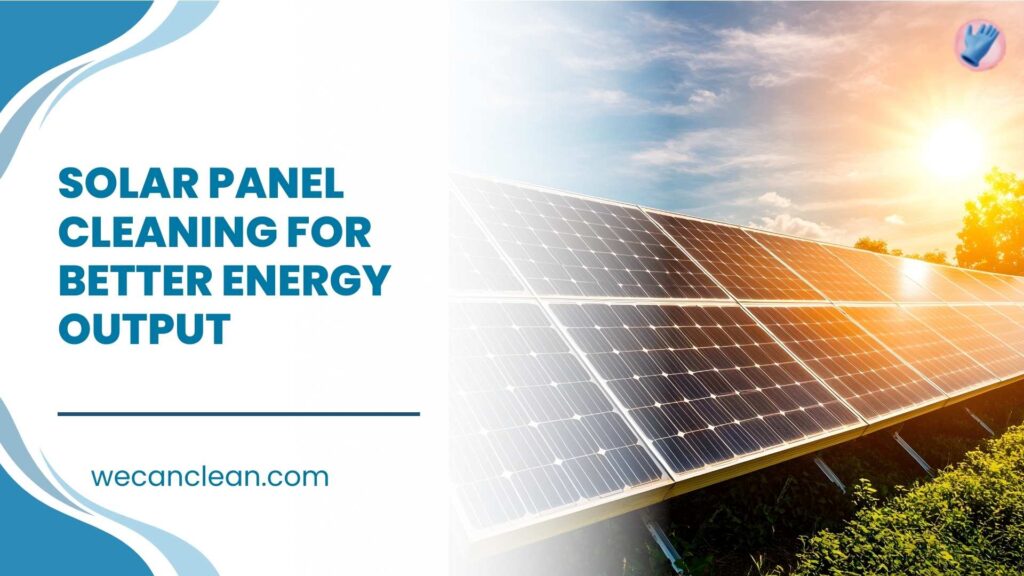
Solar Panel Cleaning for Better Energy Output
When Solar Panels Need Professional Cleaning
Installing solar panels feels like a smart long-term decision. You invest once, reduce power bills, and rely on clean energy to do the heavy lifting year after year. What many property owners do not realise is that Solar Panel Cleaning is essential, as solar panels slowly lose efficiency when they are left unchecked, not because they are faulty, but because they are exposed to the environment every single day.
Dust, pollution, bird droppings, pollen, and even salt from coastal air quietly settle on the surface. From ground level, panels still look fine. From the roof, they tell a very different story. Over time, this build-up interferes with sunlight absorption and reduces energy output, which is why regular Solar Panel Cleaning plays a key role in maintaining system performance and long-term savings.
Catchphrase: Clean energy still needs clean surfaces.
Why Solar Panels Lose Efficiency Faster Than Most Owners Expect
Solar panels are designed to withstand weather, not neglect. Rain helps, but it does not remove sticky grime or mineral residue. In fact, rain can make things worse by spreading fine dust into a thin film across the glass. That film reduces light transmission, which directly affects how much energy the system can generate.
In urban areas, pollution and airborne particles add another layer of residue. In leafy suburbs, pollen and organic debris settle faster than people expect. For strata complexes and larger sites, surrounding traffic and ongoing activity can accelerate the problem even further, especially when multiple buildings share the same outdoor exposure.
If your property maintenance is already structured around routines that prevent repeat issues, the concepts in proven cleaning methods for long-lasting results help explain why early intervention usually saves money and stress later.
Catchphrase: Efficiency loss happens quietly, not suddenly.
What Actually Builds Up on Solar Panels Over Time
Solar panel contamination is rarely just dust. It is a mix of environmental and human factors that vary depending on location and property type. Some of the most common contributors are easy to underestimate until you see them up close on the glass.
- 🐦 Bird droppings that block whole cells and create hot spots
- 🌫️ Air pollution and fine road dust that forms a dull film
- 🌿 Pollen, leaves, and organic residue that sticks after rain
- 🧂 Salt particles in coastal air that leave mineral deposits
- 🏗️ Construction dust near commercial sites and busy streets
Even small patches of blockage can disrupt output across multiple cells, especially when panels are wired in series. That means one dirty section can reduce the performance of an entire string.
Catchphrase: Small obstructions create big inefficiencies.
How Dirty Solar Panels Affect Energy Production and Power Bills
When panels are dirty, they do not convert sunlight efficiently. Research consistently shows that dirty panels can lose between 15 percent to 30 percent of their output, depending on build-up severity and location. That loss translates directly into higher grid reliance and increased power bills, which is frustrating when the whole purpose of solar is saving money and reducing dependence on the grid.
For landlords and strata managers, reduced output affects tenant satisfaction and long-term property value. For businesses, it can undermine sustainability targets and return on investment. For households, it simply means you are not getting what you paid for.
If you are managing multiple spaces or keeping standards consistent across a property, routines and standards matter. The insights in clean spaces benefits cleaning pros explain why consistency often produces the best long-term results.
Catchphrase: Dirty panels cost more than cleaning ever will.
DIY Solar Panel Cleaning: What Works and What Causes Damage
Some homeowners attempt to clean solar panels themselves. While well-intentioned, DIY methods often create more problems than they solve. Climbing onto roofs introduces safety risks, and incorrect tools can scratch panel surfaces or damage seals. Even using the wrong water type can leave mineral spotting that reduces light transmission after the “clean.”
- 🚫 Abrasive brushes or harsh chemicals can scratch panel surfaces
- 🚫 Cold water on hot panels can create thermal stress
- 🚫 Excess pressure can damage mounts or seals
- 🚫 Unsafe access is a major fall risk
Gentle rinsing may remove loose dust, but it rarely removes bonded grime or residue. If you are comparing service levels for deeper cleaning versus routine upkeep, the guide on deep cleaning vs regular cleaning helps clarify when a professional reset makes more sense than repeated DIY attempts.
Catchphrase: Good intentions do not equal safe results.
Why Professional Solar Panel Cleaning Delivers Better Results
Professional solar panel cleaning focuses on efficiency, safety, and protection. Trained cleaners use purified water systems, soft-bristle tools, and techniques designed specifically for photovoltaic surfaces. This removes residue without leaving streaks, mineral deposits, or micro-scratches that can quietly reduce performance over time.
Professionals also inspect panels during cleaning. They notice cracked glass, loose mounts, or shading issues that owners may miss from the ground. For busy households and commercial properties, this preventative insight adds value beyond just cleaner panels.
If you are curious about what professional standards actually involve, the breakdown in behind professional cleaners training explains what trained cleaners are taught to look for.
Catchphrase: Professional cleaning protects performance and investment.
Residential vs Commercial Solar Panel Cleaning Needs
Residential solar systems usually require periodic cleaning based on environment and roof orientation. Commercial and strata buildings, however, face higher exposure due to scale, surrounding activity, and continuous operation. Commercial systems cover larger surface areas, accumulate grime faster, and the financial impact of even small losses can be much bigger.
For businesses, even a small efficiency drop can translate into significant annual losses. Regular professional cleaning becomes less about maintenance and more about operational performance. Many businesses align solar maintenance with broader property upkeep such as Commercial Cleaning so the site stays presentable, safe, and consistent for staff and visitors.
Catchphrase: Bigger systems magnify small inefficiencies.
Case Study: Energy Output Before and After Professional Cleaning
A Sydney commercial property noticed rising electricity costs despite stable occupancy and usage. Inspection showed visible grime across solar panels, particularly near exhaust points where airflow carried fine residue onto the surface. The panels looked acceptable from the ground, but on the roof, there was a clear film reducing light transmission.
After a professional clean, energy monitoring showed a 22 percent increase in output within the first billing cycle. No upgrades were required. The system was healthy. It just needed the surface restored. The property manager then scheduled routine maintenance so the issue would not quietly return.
“We thought the system was underperforming. It turned out the panels were just dirty.”
Catchphrase: Performance problems often have simple solutions.
How Often Solar Panels Should Be Cleaned in Australia
There is no one-size-fits-all schedule. Cleaning frequency depends on location, environment, and how exposed your panels are. Properties near busy roads, trees, or construction zones often need more frequent cleaning, while less exposed sites may only need annual maintenance.
- 🏠 Residential systems: every 6 to 12 months
- 🌊 Coastal or dusty areas: around every 6 months
- 🏢 Commercial systems: quarterly or bi-annually depending on site exposure
Regular cleaning prevents heavy build-up and keeps output consistent year-round. If you manage outdoor areas as well, pairing maintenance schedules can make life easier. Some owners align solar cleaning with seasonal exterior upkeep like Mowing and lawn care so the whole property stays in good shape without last-minute rush.
Catchphrase: Consistency beats correction.
Final Thoughts: Clean Panels, Smarter Energy Use
Solar panels are designed to work quietly in the background, but like any system exposed to the elements, they perform best when maintained properly. Cleaning is not about appearance. It is about efficiency, longevity, and return on investment. When panels are clean, they capture more sunlight, generate more power, and deliver the savings they were designed for.
If you are managing a household, rental property, strata site, or commercial building, proactive cleaning keeps energy working for you, not against you. For busy living environments, keeping systems clean also reduces friction and surprises, which is especially helpful when multiple people share a space. The practical approach in apartment cleaning for busy people highlights how small routines prevent bigger headaches.
Catchphrase: Clean panels power smarter decisions.
Ready to get more from your solar investment?
If your panels have not been cleaned recently, or your energy output does not match expectations, it may be time for a proper reset. Clean panels mean better sunlight absorption, stronger output, and better savings, without guessing whether your system is “failing.”
Keeping the surrounding property clean also supports long-term maintenance, especially in shared sites. A simple Bin collection routine can help reduce debris and pests around outdoor areas where dust and waste can contribute to ongoing build-up.
Contact us to arrange professional solar panel cleaning for your home or building and start maximising your energy output safely and confidently.
Leave a Comment
Share:


Related Blog: